In a new interview with
iF magazine,
Order of the Phoenix composer Nicholas Hooper spoke about what inspired him to create the darker music for
Half-Blood Prince, as well as the gentler tones highlighting the teenagers' love lives. He also confessed that he will not be composing the music for
Deathly Hallows, though he would not say who would be taking his place.
Quote:
How did you decide which themes from your last Potter score to bring into THE HALF-BLOOD PRINCE, and where did you want to announce Willams' theme?
HOOPER: Although a lot of things seem logical after the event, I tend to write instinctively, allowing things to develop in their own way. It would be easy to say that I meant to use such and such a theme in a "brilliant stroke of genius.” But in fact a lot of what works comes out of trying things out first, and then discussing them later.
A bit like throwing paint at the wall one day and coming in to have a look at it the next to see what shape it makes. The use of the Possession theme from HP V (where Voldemort possesses Harry) came back as an idea when Voldemort is first mentioned by the name of Tom Riddle in Dumbledore's speech at the start of the new term. It seemed to work there and gradually worked its way into the movie following Dumbledore's own involvement with Voldemort. This along with a new theme created the DNA for the whole score. Placing John Williams' themes became obvious as we went along.
The beginning of the film has to have at least a hint of Hedwig's Theme (look out for the end of it in the brass just before the Death Eaters attack London). Later in the film, Hedwig's theme gave a sense of being back in a POTTER movie, so it was used on the train to Hogwarts and Harry's arrival at the Weasley's home. I also enjoyed using a bit of William's Quidditch theme in the Quidditch match to point up Ron's amazing goal saving.
Quote:
Tell us about the new themes for THE HALF-BLOOD PRINCE.
HOOPER: The main new theme came about through a setting of some words by the scriptwriter Steve Cloves called "In Noctem" for the Hogwarts' choir to sing in a scene intended to come near the end of the film just before Dumbledore's final death scene. As it happened, the choir scene was dropped as it held up the action.
But the middle chant-like part became a major theme in the film, underpinning much of Dumbledore's journey, and coming to a climax as he travels to the cave with Harry. Another new and important theme is for Malfoy, who plays a major part in this movie. The aim was to give an air of mystery but also of plaintive sadness for the young Draco who has been caught up in this evil web.
This is the most downbeat of all the HARRY POTTER films. How much light did you want to bring to the darkness that the movie’s story mandated?
HOOPER: I don't think of it as downbeat. It's moving, certainly, but there is plenty of action and the relationships and characters get developed in a deeper way. My take on it was an emotional one as I hinted earlier, so the cues for the love interest, like when Ginny kissed Harry, or the slightly entertaining scene when Hermione is trying to convince Harry she's not upset by Ron and Lavender, have a much lighter, even soloistic, touch.
Quote:
After two POTTER movies, and I imagine the next two, do you hope to bring your own wealth of themes to Harry that will be as memorable as the music that started it all?
HOOPER: I have made the decision not to do the next two HARRY POTTER films. I’ll be handing the baton on to another composer. It has been a roller coaster ride, and, I feel, an enormous privilege to have the opportunity to have scored such great films and such a fantastic story.
We will announce the identity of the
Harry Potter and the Deathly Hallows musical composer as soon as it is made public.


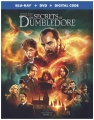


 Nicholas Hooper not composing Deathly Hallows score






 x5
x5