One of the companies involved in the stereo conversion of
Harry Potter and the Deathly Hallows: Part 2 from 2D to 3D recently
discussed how they went about the procedure in a way to bring more of a depth of field to the scene, and not have effects come out of the screen. Los Angeles- and Michigan-based company I.E. Effects converted several key scenes from Deathly Hallows: Part 2, including the opening shots at Shell Cottage, frame-by-frame over a six-month period. More on the process, told by I.E. Effects company founder David Kenneth, can be read below, via the Post Production Buyers Guide.
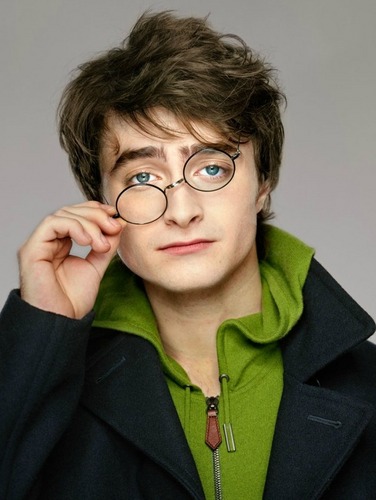
Also, a new outtake from Daniel Radcliffe's Harry Potter-esque photo shoot for Entertainment Weekly was released, and can be seen here.
The Stereo Conversion Process
Converting a 2D film to stereo 3D is labor intensive and requires skilled visual effects artists to create a final result that looks natural. Rather than a single image for each frame, stereo 3D content has two views – one for each eye.
Creating two separate images from a single frame requires subtle adjustments to the viewing angle for each element in the image. The process starts off with rotoscoping – manually cutting elements out of the image and then assigning them depth values to make different parts of the picture seem closer or farther away. These depth values allow the artists to reposition each element for the right and the left eyes. Once in place, the missing details for the left and right eye images need to be 'painted in' frame by frame.
The shots delivered by I.E. Effects for Harry Potter included both interior and exterior shots. “You have to push the 3D a lot more for exterior shots, so there’s generally a lot more painting," said Dennis Michel, visual effects supervisor at I.E. Effects. "But the interior shots usually have a shallower depth of field, which means more subtle adjustments,” he explained.
Several shots in the opening sequence included very fine elements, such as hair blowing in the wind. “The Ollivander character (John Hurt) is a wise old wizard with wispy hair,” said Michel. "Hair is an interesting challenge for any kind of visual effects work. For this film we had a small team of artists painting and tweaking individual strands for some time until we got the stereo 3D just right.”
Defocused areas of the frame provide another challenge in the stereo conversion process. Filmmakers often use a narrow depth of field to give their work a 'filmic' look that draws the viewer's attention to an area in the image. This technique creates soft focus, or even blurred foreground and background elements.
Instead of coming out of the screen, Kenneth feels that good stereoscopy is more subtle and pulls the audience into the scene, making it feel comfortable and natural. “3D is about providing an immersive experience that is as close to real life as you can get in the theater. It's like 'visual surround sound,' making the story that much more immediate."